
The twenty-tree year old Fred was not immediately called up when war broke out in 1939. His job as a slaughterman was on the schedule of reserved occupations essential to the war effort and precluded him from enlisting. Fred was called up after a revision of the schedule and he was enlisted into the Territorial Army in April 1941 for the duration of the war. Fred was initially posted to the Infantry Training Centre, The Royal Berkshire Regiment and was mustered as a Butcher Class III on 24th April. The following month he was posted to Depot Company No.2 Mobilisation Centre (M.C.) Royal Army Service Corps (R.A.S.C.) at Kirkham in Lancashire from where he was Taken On Strength (T.O.S.) by the 19th Field Butchery and Cold Storage Depot (C.S.D.). Fred was appointed Paid Acting Lance Corporal (P/A/L/CPL) and re-classified as a Butcher Class I.
Personnel of the RASC are trained to fight as infantry and during the last two weeks of July 1941 Fred undertook his weapons training at Depot Company, No. 2 M.C. His result was 55%.
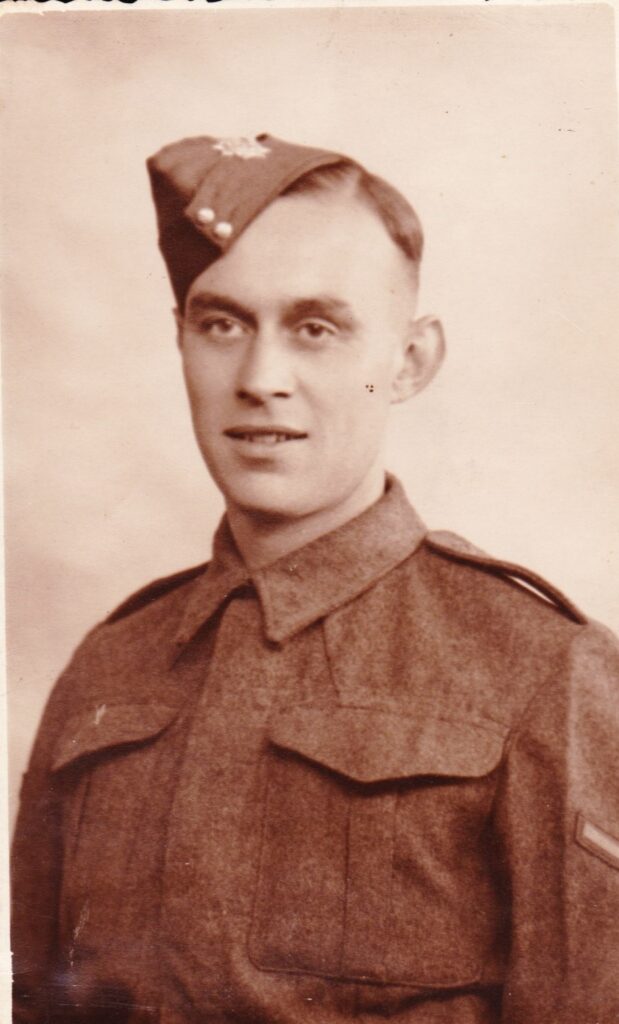
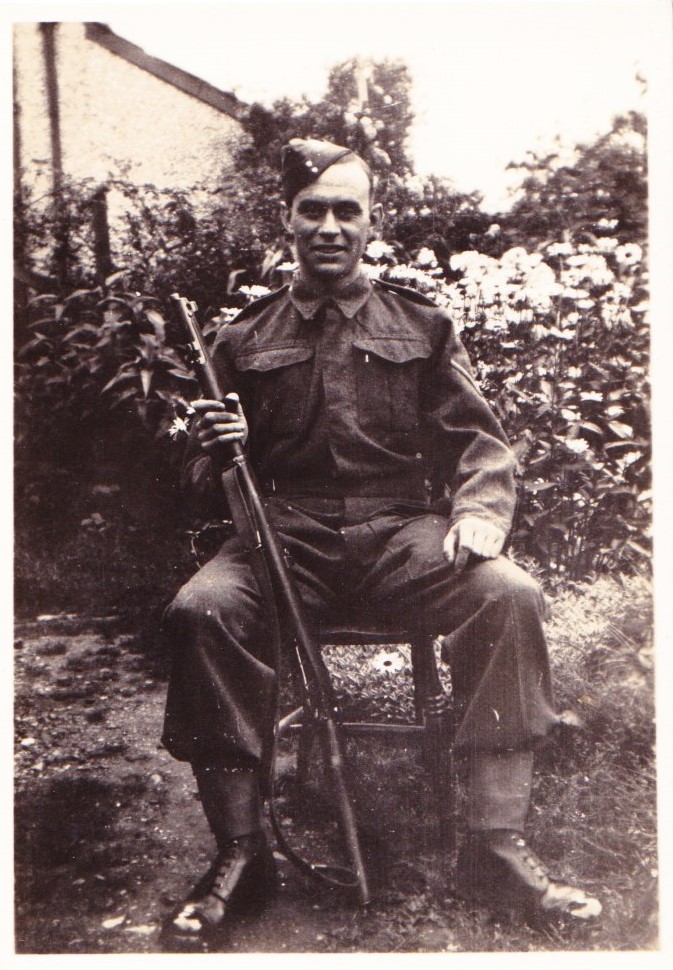
Fred received 7 days privilege leave in the August and a further 7 days in the November of that year after which he spent two weeks attached to the C.S.D. in Preston.
On 16th December Fred transferred to Shorncliffe in Kent in preparation for an overseas posting. He was attached to 10 Supply and Transport Company for rations and to the Regimental establishment for pay and accommodation. But Fred was to be left behind when his unit was posted because on Boxing Day 1941 he was admitted to Warren Lane Isolation Hospital in Ashford, Kent with chickenpox. He was in hospital for over 3 weeks after which Fred was granted 7 days sick leave followed by 7 days embarkation leave. He reverted to the rank of Private when he was admitted to hospital. At the time the rules governing promotion during war resulted in loss of an acting rank if a soldier was not with their unit and performing the duties for which the rank was granted apart from short absences of less than 21 days. This was raised in Parliament a number of times during the war and resulted in some exceptions being put in place, for example in the case of soldiers who became separated from their units during evacuation from France in 1940.


Fred remained in Kent for another month, two weeks of which were spent attached to the C.S.D. in Tenderton where he once again held the rank of A/L/CPL.

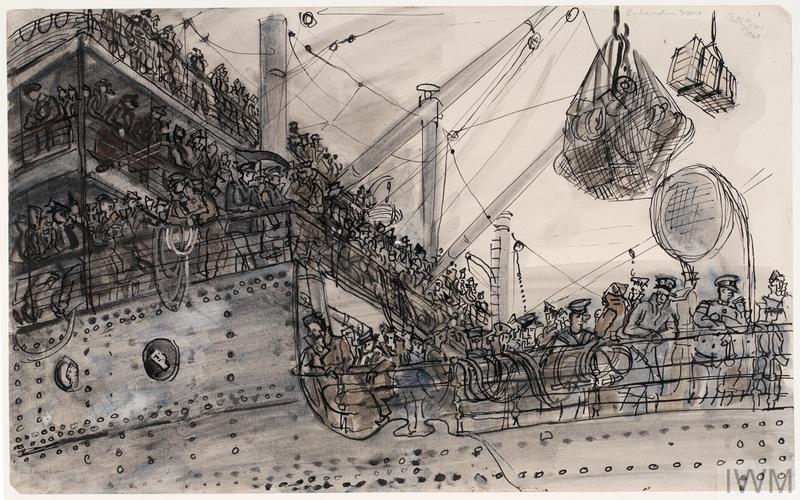
In March 1942 Fred was posted to Woking and T.O.S. By ‘B’ Company No. 1 Holding Battalion, R.A.S.C. reverting to the rank of Private on being posted. During the next month Fred received 7 days privilege leave and 7 days embarkation leave. On returning from embarkation leave Fred was posted to ‘A’ Company (detach) and a couple of weeks later was posted to Draft convoy RHGOK which sailed from Liverpool to Gibraltar. Fred disembarked in Gibraltar on 1st May 1942 where he was T.O.S. By 33 (Local) Company, R.A.S.C., posted to S.T & B. (Supply, Transport and Base?) Services and attached to 40 Base Service Depot (B.S.D.).
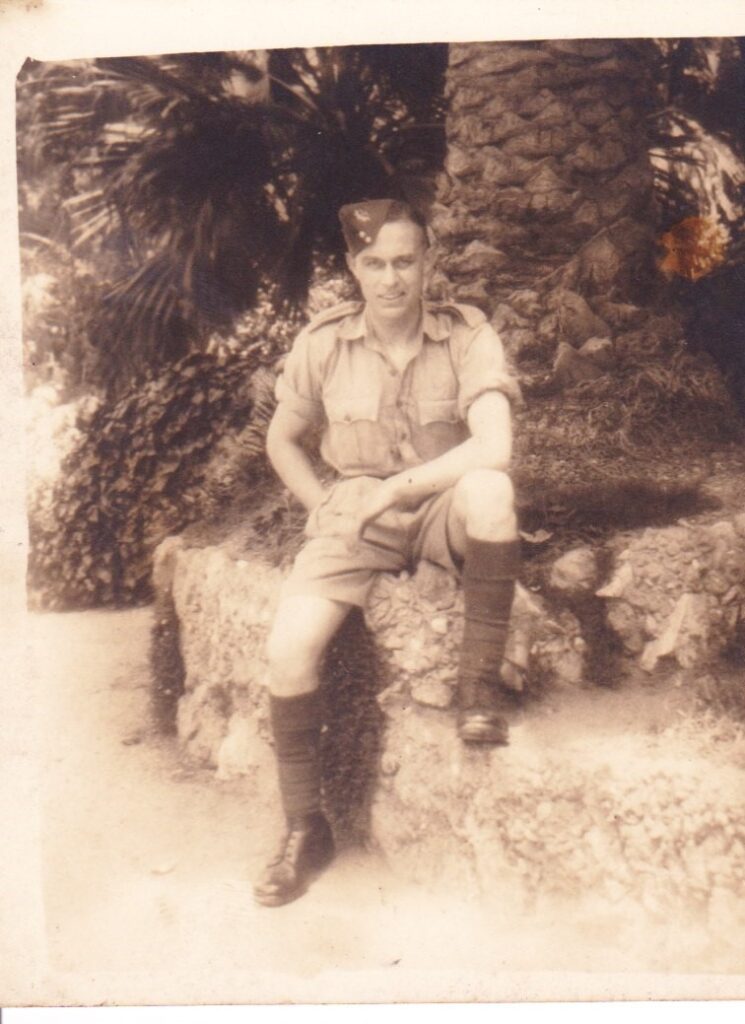
Fred was stationed in Gibraltar for a little over two years. He arrived in Gibraltar as a Private and left with the war substantive (W/S) rank of Staff Sergeant. Each of his promotions followed a similar pattern – 21 consecutive days acting unpaid in the role followed by 90 (for Corporal) or 180 (for Sergeant and Staff Sergeant) consecutive days paid acting before being granted the war substantive rank. Fred was actually appointed an unpaid Sergeant whilst still only an Acting Corporal! War substantive ranks were awarded automatically after holding acting rank for a qualifying period. In parliament on 6th October 1942 Sir Douglas Hacking asked the Secretary of State for War whether he would give consideration to the reduction of the qualifying periods for substantive ranks of non-commissioned officers to which Sir James Grigg replied that he was “satisfied that the present arrangements satisfy the demands of military efficiency and are at the same time fair to the non-commissioned officers.”


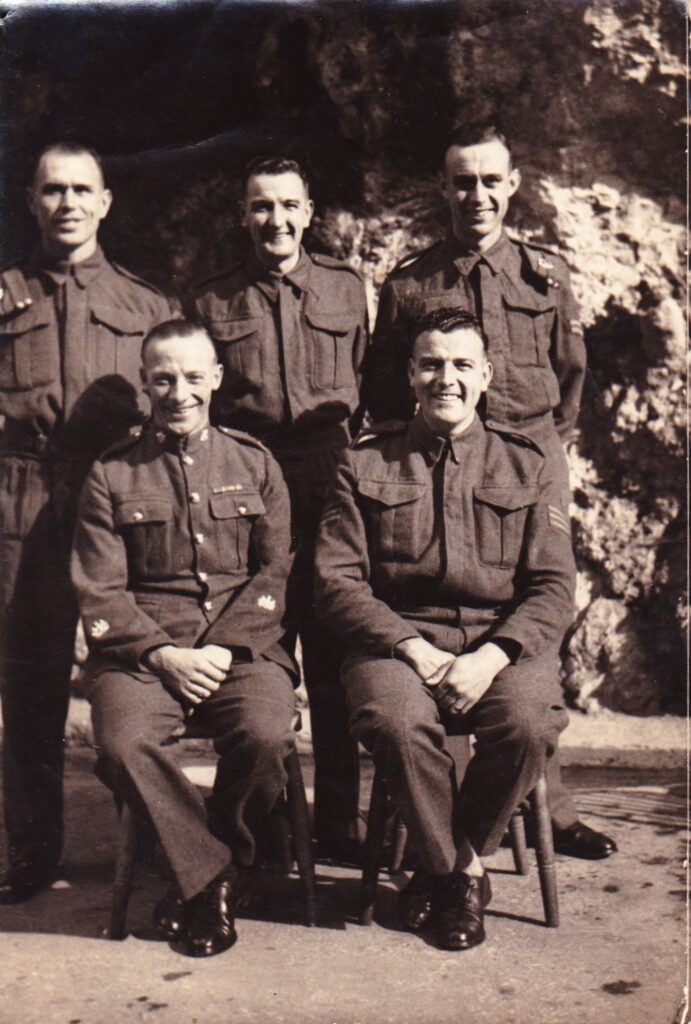
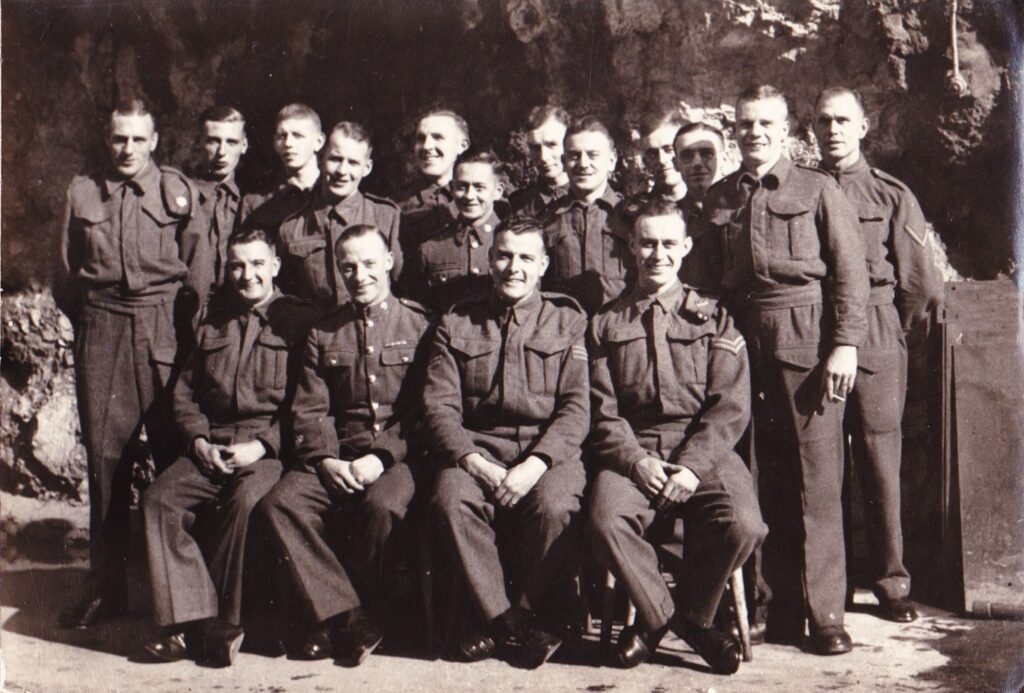
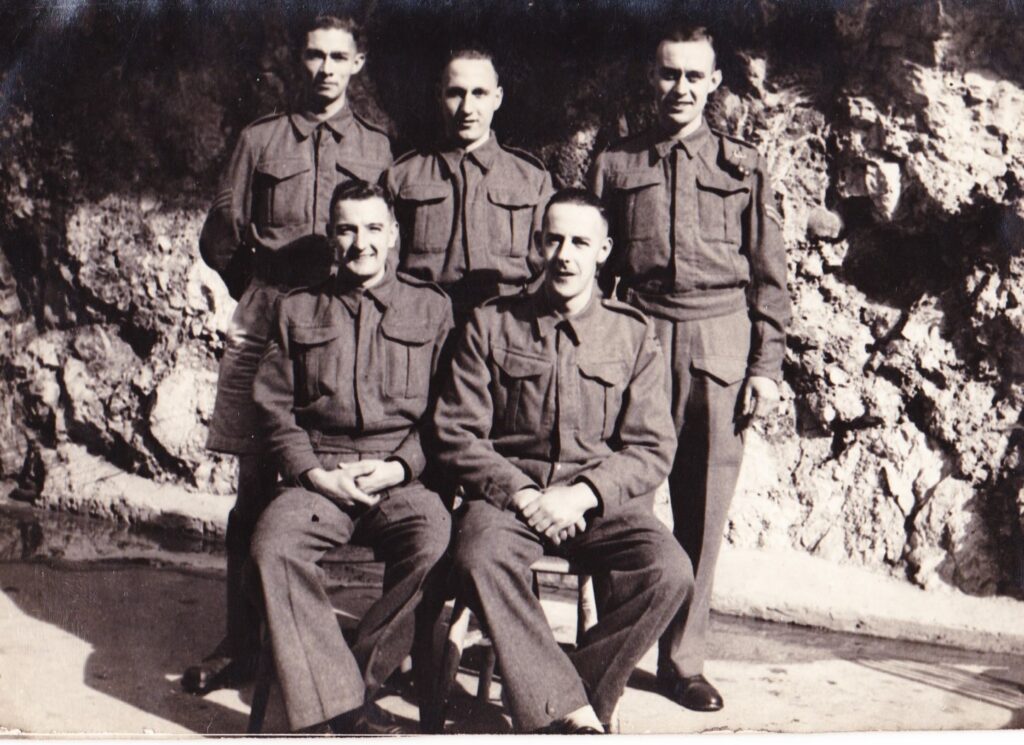
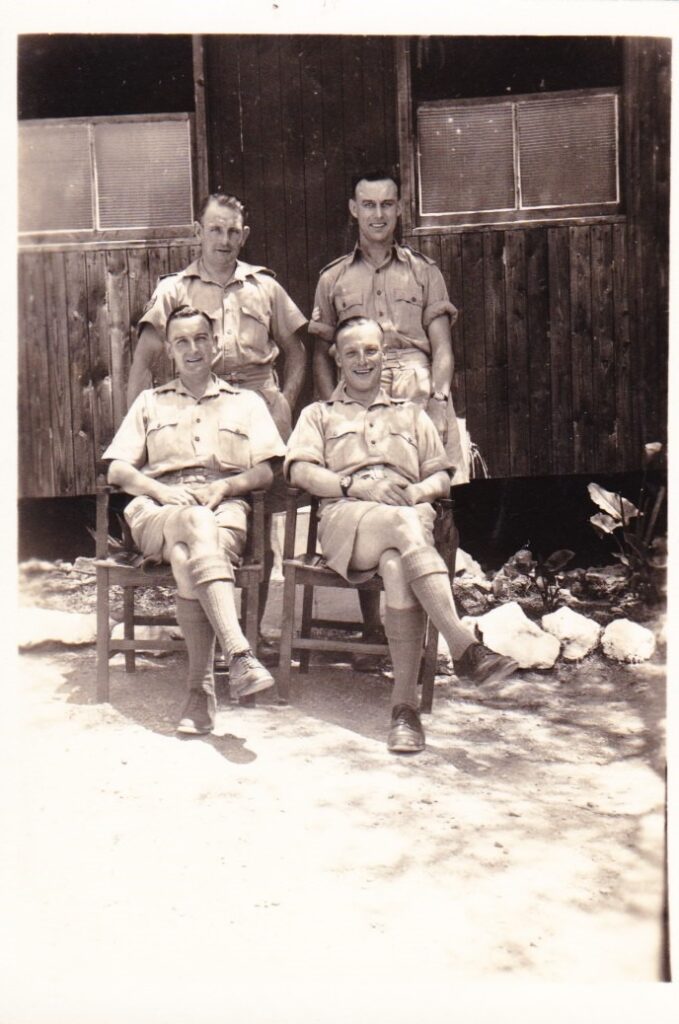
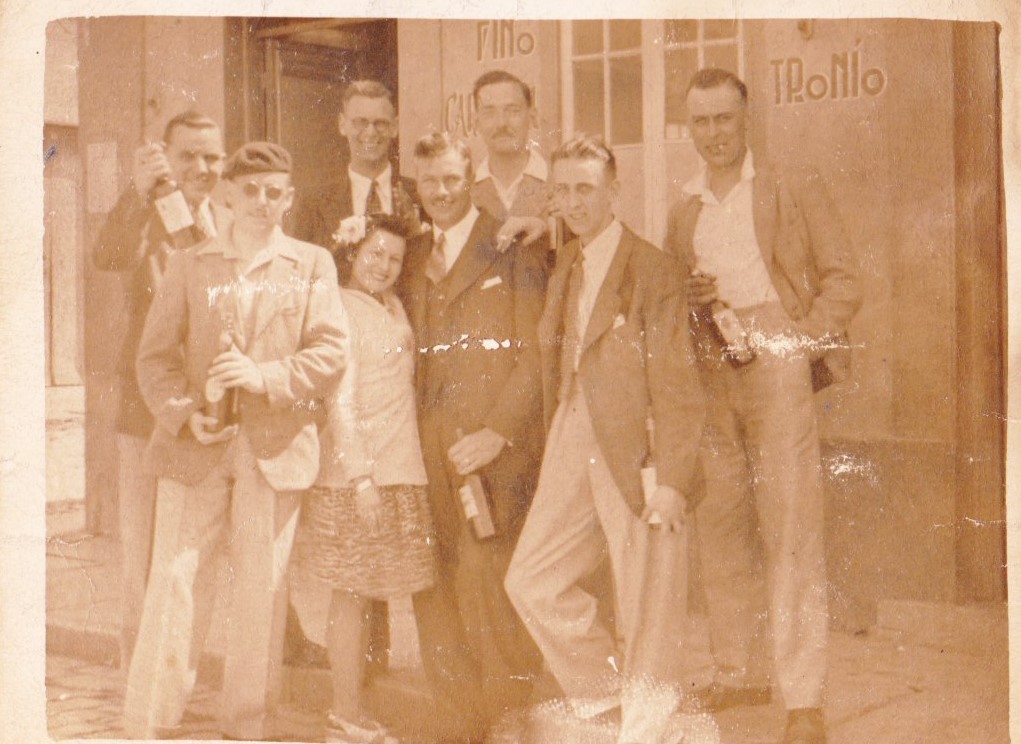
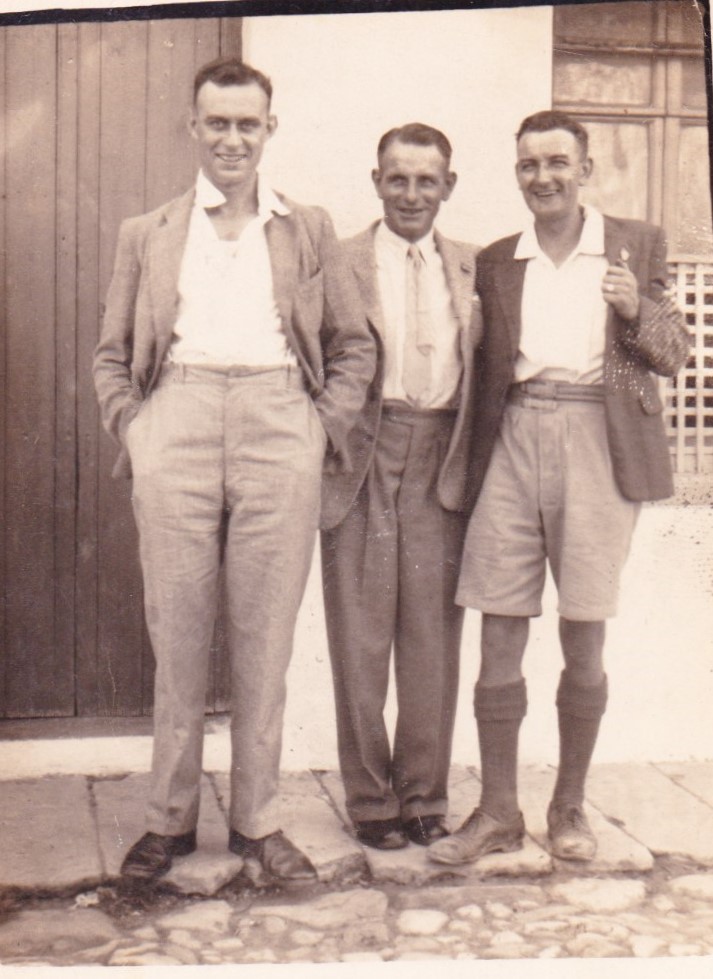
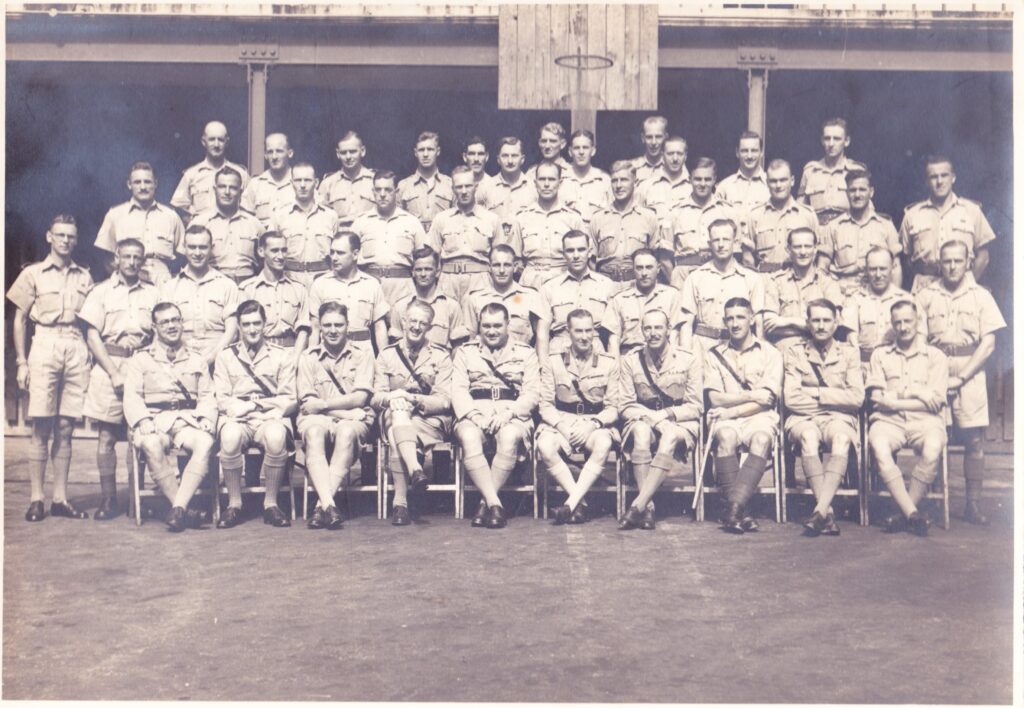
Fred’s time in Gibraltar ended in late May 1944. He returned to Liverpool where, on 2nd June, he was T.O.S. From Ex Overseas Movement Control by “B” Company 1st Holding Battalion R.A.S.C. A “Compassionate/Neurotic Slip” was attached to his A.F. B103 record with the remark “Refer to R.A.S.C. Records before posting.” It seems probable that this was to draw attention to the fact that all his promotions had been war substantive and that he had not received any formal training. T.O.S. by C.S.D. Liverpool Fred was attached to 29 Personnel Section R.A.S.C. and attended No. 1 N.C.O.s Course at R.A.S.C. NW District Training School between 8th July and 27th September. He received further training (Course No. 23) between 24 March and 6th April 1945.
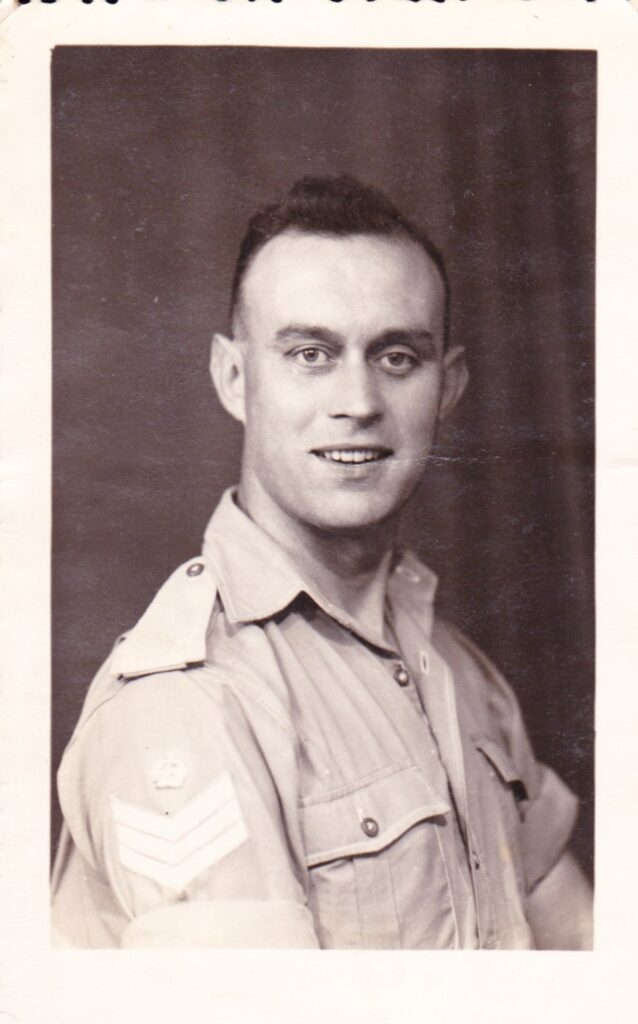
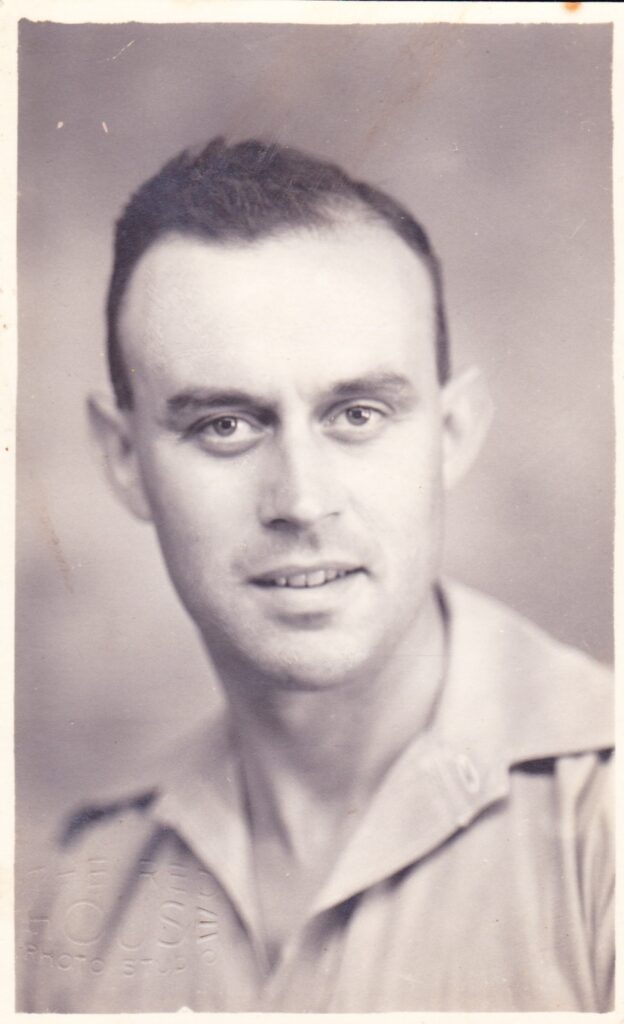
Fred remained in the NW District until early December 1945 when he was posted to 24 Personnel Section, Salisbury Plain Division where he remained for the duration of his service.
On 19th June 1946 Fred began 56 days of release leave followed by 23 days of admissible Overseas leave. At the end of this period of leave Fred was released to Class ‘Z’ (T). He was discharged from Reserve Liability at the end of June 1959.
On Fred’s release his commanding officer wrote:
S/Sgt Vincent has been in complete control of a depot Butchery, and has been responsible for the receipt and issuing of several tones of meat four times weekly. He has proved himself in every way to be a thoroughly efficient, conscientious and reliable N.C.O., and one who may be relied upon to use his initiative without constant supervision. His conduct at all times has been exemplary, and he can be recommended with confidence to any employer.”
Photographs from home

August 1941
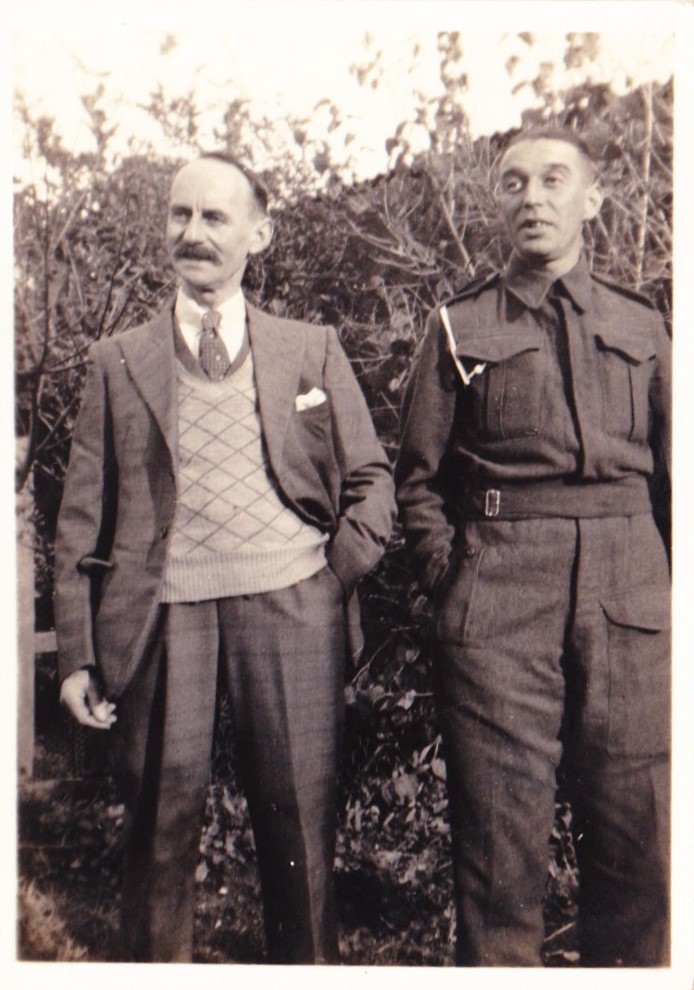
Love from All. Xmas 1942

August 1944
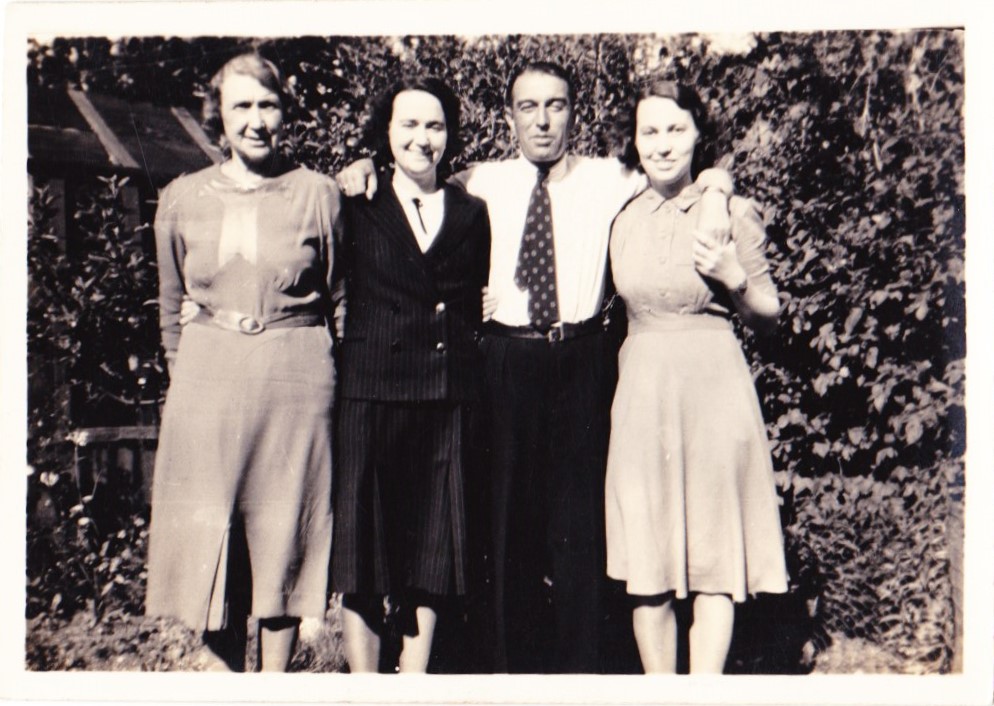
May 1943
Links:
Frederick Harry Vincent – Early Life
British Pathe: British Army in Gibraltar 1941